
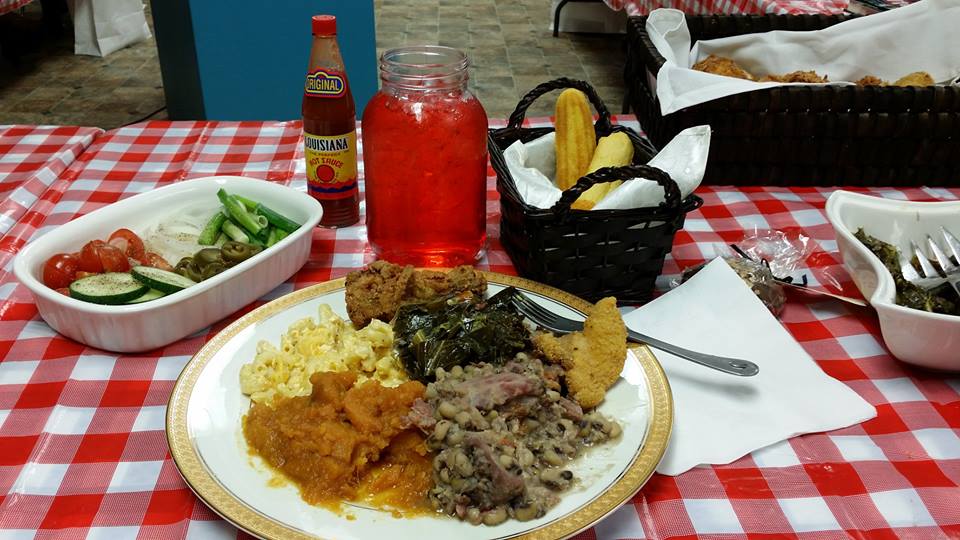
Soul Food Edition
Here are my answers to the most frequently asked questions I get about soul food. The answers are gleaned from my book. Soul Food: The Surprising Story of an American Cuisine, One Plate at a Time. Please feel free to quote my answers. Please indicate me as the source and identify me as “James Beard Award-winning author Adrian Miller.”
What is “Soul Food”?
“Soul Food” is a traditional African American cuisine that combines the ingredients, culinary techniques and traditions of West Africa, Western Europe, and the Americas. In my opinion, soul food most aptly describes the food that Black southerners took with them to other parts of the United States during the Great Migration period (1910-1970). Previously, African Americans called this type of cooking “Down Home Cooking” roughly from the 1920s to the 1960s.
During that time period, millions of African Americans left the American South for a better life. When they arrived in new places, they didn’t always have access to the same foods they had in the South. They adapted by making substitutions, using boxed, canned, and frozen versions of familiar foods, and adopting foods from their new neighbors, including people from other countries.
How did Soul Food get its name?
The earliest joining of the words “soul” and “food” in the English language date back to Shakespeare’s The Two Gentlemen of Verona. In that play, a woman talks about a man’s good looks as being her “soul’s food.” Thus, it wasn’t unusual in the late sixteenth century for a woman to describe a guy as “yummy.”
For the next four hundred years, “soul food” in English, usually meant doing anything to edify your spiritual life: going to church, praying, reading scripture, and singing hymns.
Fast forward to the late 1940s when a group of African American jazz musicians were pretty salty about white jazz musicians making more money and acquiring more fame for a musical genre they felt they had created. They consciously created a jazz sound they were confident white musicians couldn’t recreate. That was the sound of the Black church in the rural South. The sound Black musicians described that emerging, gospel-infused jazz as “funky” and “soul.” Soul first meant music, but as it gained more cultural currency, it was applied to other aspects of Black culture.
When did Soul Food become “a thing”?
From the 1600s to the 2000s, soul food took shape in the American South. For a long time, it was just called southern cooking or, southern food or just dinner. Soul food, as a culinary reference, was already in use by African Americans in the 1950s. In the 1960s, the term soul food went mainstream as other expressions of Black identity (“Black is Beautiful” slogan, Black Power Movement) became well-known.
What’s the difference between Soul Food and southern food?
It’s easy to confuse the two because there is so much overlap in terms of ingredients, dishes, and culinary techniques. I think of southern food as the regional, mother cuisine of which soul food is a part like Appalachian food, Cajun and Creole food, and low country cuisine. Previously, these were loosely called “southern food,” but in the 1960s a lot more differentiation took place in media and the sub-cuisines started getting more emphasis.
The main differences between soul and southern are the way the dishes are prepared. Soul food tends to be more highly seasoned (Nashville hot chicken vs. regular fried chicken), emphasize the use of inexpensive cuts and variety meats for the entree or to season vegetables (ham hocks, pork neck bones, turkey wings) and tend to blur the lines between savory and sweet (molasses in vegetable side dishes, sugar in cornbread).
What’s in a typical Soul Food meal?
Here’s a breakdown of the various aspects of a soul food meal:
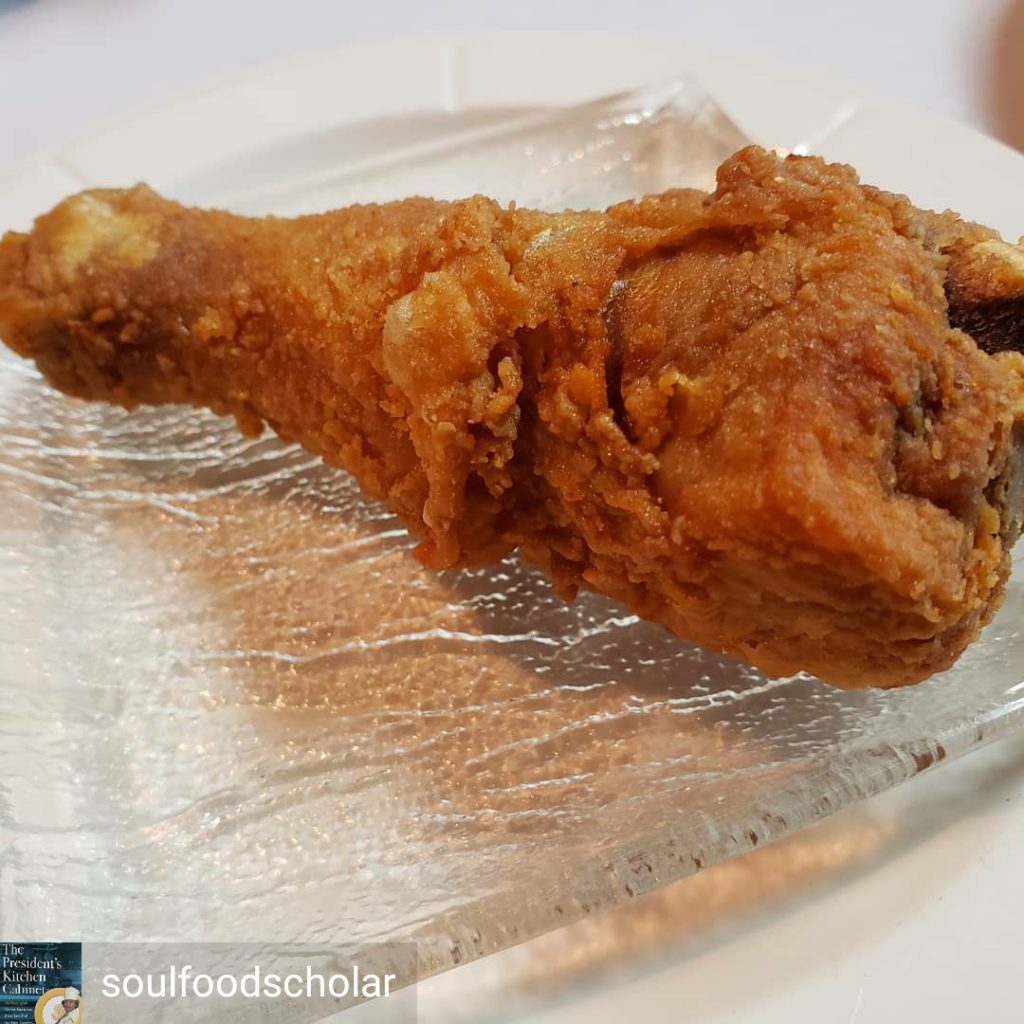
Entrees: chicken (baked, fried, or smothered in gravy), fish (baked or fried), and pork in various forms–chitterlings (chitlins), chop, ham, neckbones, pig’s feet–that’s either baked, boiled, fried, stewed, or smothered in gravy.
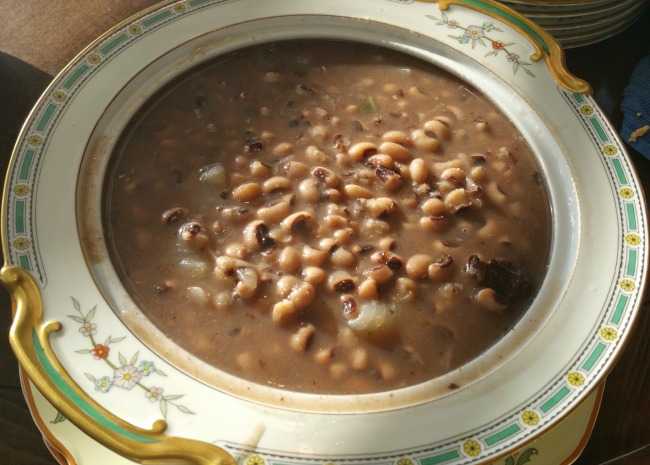
Side dishes: black-eyed peas, beans (black, butter, lima, pinto), candied yams (sweet potatoes), greens (cabbage, collards, kale, mustard, and turnip), macaroni and cheese, okra (sometimes paired with tomatoes), and rice (often paired with gravy).

Bread: various forms of cornbread (baked in a pan or skillet, hot water cornbread, hush puppies, muffin), rolls made with wheat flour.
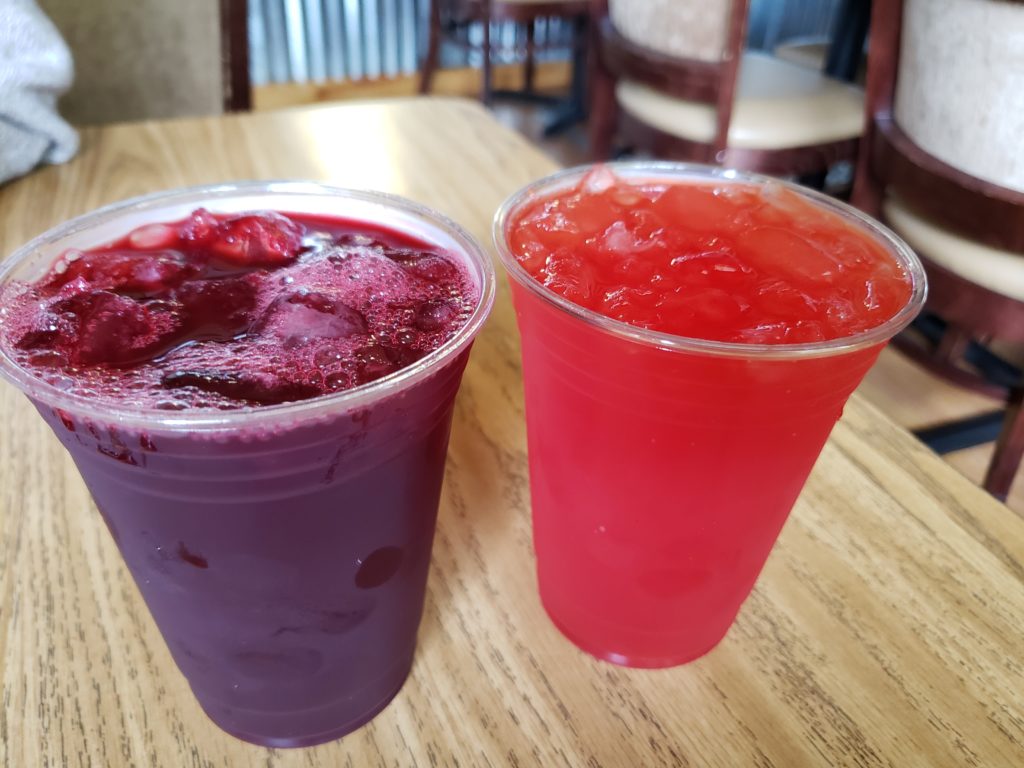
Beverages: carbonated and non-carbonated drinks that are blue, orange, purple, or red in color. The red drinks are the most iconic.
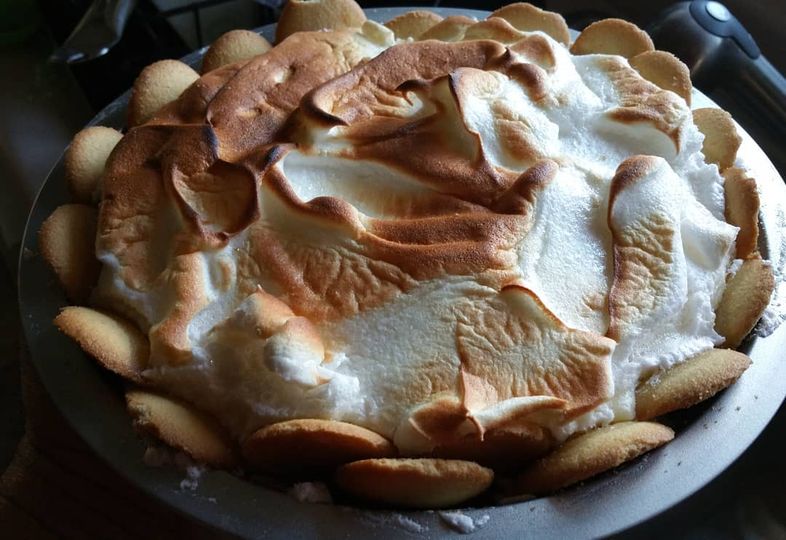
Desserts: banana pudding, cake (caramel, coconut, chocolate, German’s chocolate, pound, red velvet), cobbler (apple, blackberry, peach), and pie (pecan, sweet potato). My family’s favorite is lemon ice box pie which is similar to key lime pie.
Isn’t Soul Food so many African Americans are in poor health?
Soul food’s culinary roots are in the celebration foods of the South. Enslaved African Americans didn’t have regular, plentiful access to cooking oils, meat, refined flour, and refined sugar. These are what’s needed to make a lot of the foods one thinks of as soul food. If one understands soul food as celebration food, then one should realize that some aspects of it should not be consistently eaten in large amounts. The miracle of the U.S food system is that foods there only eaten on special occasions can now be eaten multiple times a day.
Also, think about what nutritionists currently recommend people eat: more fish, dark leafy vegetables, hibiscus, and sweet potatoes to name a few. These the building blocks of soul food. Soul food’s plant-based aspects deserve more consideration.
Soul food gets unfairly scapegoated. Its critics don’t pay enough attention to the long-term health consequences or continued exposure to racism. More science is emerging about its role in African American health outcomes. Lastly, I think people in poor health are eating a lot of other things like convenience, fast, and junk food rather than soul food. We need to look at the full picture before reaching conclusions.
Isn’t Soul Food the stuff that white people didn’t want to eat?
One of the biggest surprises I came across while writing my soul food book is the extent that white people eat the same foods as Black people of the same class and in the same geographic location. I had previously bought into a narrative that soul food was wholly created for Black people from “the white man’s garbage.” It’s more about class and place than race. To be clear, even though the pretty much eat the same foods, race kept them from eating those foods together.
What are the current trends in Soul Food?
In addition to traditional soul food, the current trends are:
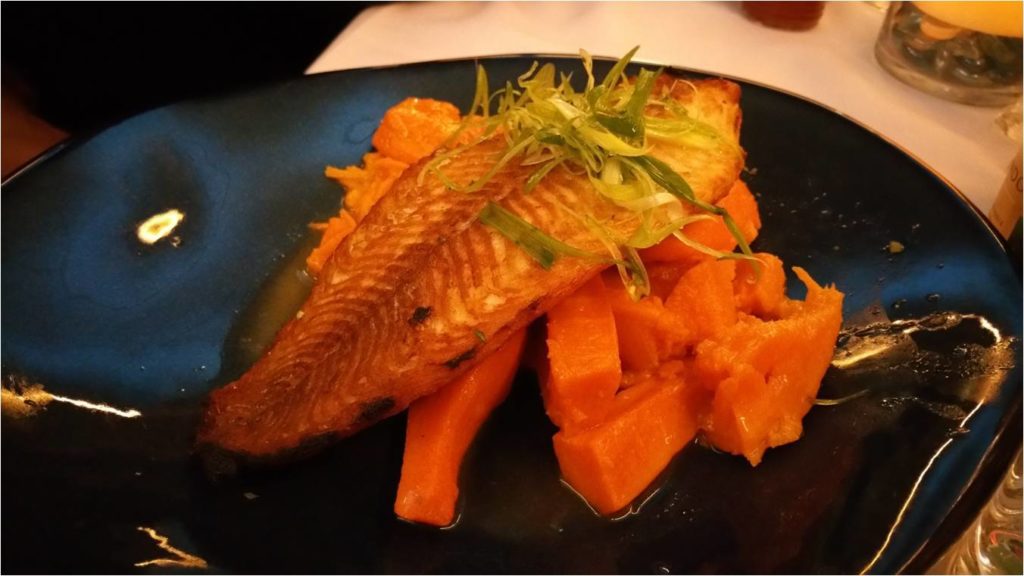
“Down Home Healthy“–cooks are cutting back on the amount of fat (or using different fats), salt, and sugar that they use in preparing meals. Some examples are using margarine instead of butter and vegetable oil instead of lard.
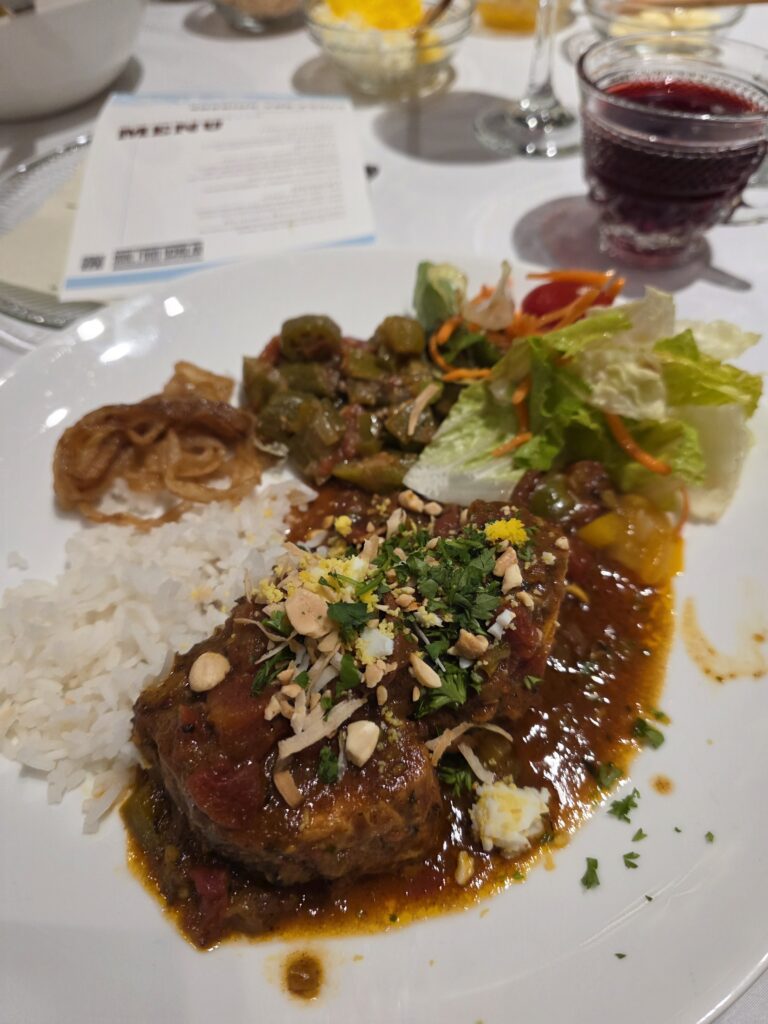
Upscale–This trend emphasizes the use of heirloom vegetables, heritage meat, euphemistically renaming ingredients (“pig’s feet” —> “trotters”), using exotic ingredients, and an aesthetically pleasing presentation in a white tablecloth setting. The end goal is to charge customers a lot more money for the meal.
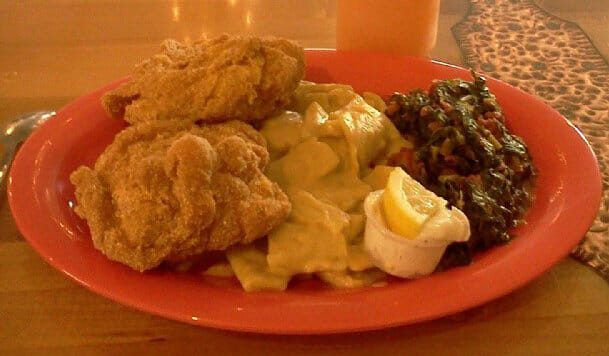
Vegan–This is where I see the most creativity. Vegan cooking does not use animal products. This may seem oxymoronic to the soul food tradition, but it isn’t. West African cuisines extensively use plants, and in the American South, the diet of enslaved African Americans was primarily plant-based. This trend isn’t a departure from traditional soul food . . . it’s a homecoming.
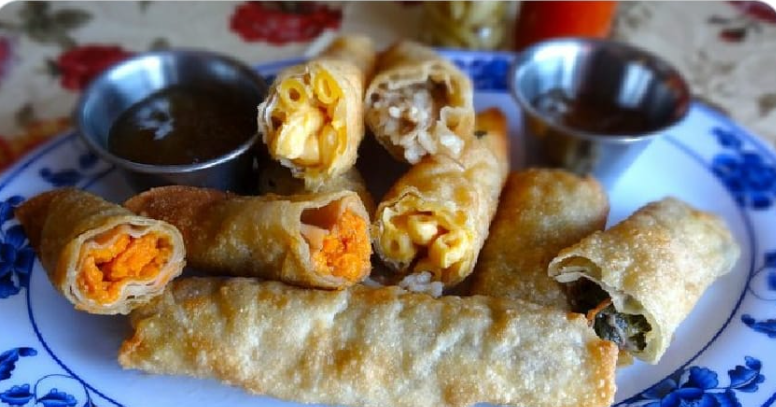
Fusion: Some cooks are playing integrating soul food with other cuisines. One example is the collard green quesadilla featured by The Blaxican, an Atlanta-based caterer who blends soul food with Latino food traditions. Another example is the soul roll which a riff on an egg roll. A wonton wrapper is filled with soul food ingredients, rolled up and deep fried.
What’s your favorite Soul Food city?
To research my soul food book, I decided to eat my way through the country. I went to 150 soul food restaurants in 35 cities and 15 cities. Yes, someone had to do it. My favorite soul food cities in order of preference are: Chicago, Atlanta, New York, Bay Area (San Francisco and Oakland) and Los Angeles.
Who taught you to cook Soul Food?

My dad, Hyman Miller Sr., can cook, but I learned the most from my late mother Johnetta Miller. Several of the recipes in my soul food book are hers.
What is your favorite Soul Food item to cook?
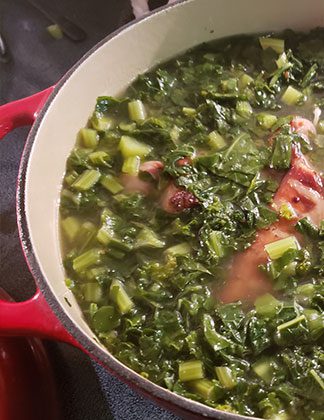
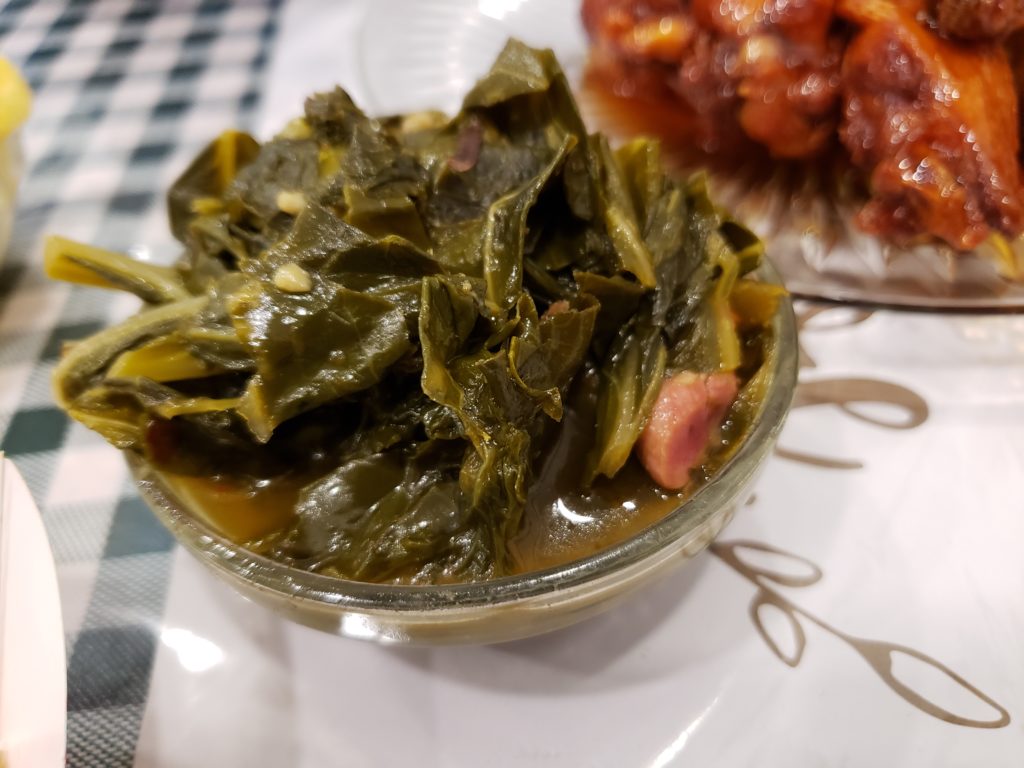
My absolute favorite soul food dish to make is greens. It’s so easy to make, healthy, versatile, and delicious. I usually combine mustard and turnip greens with smoked turkey. Here’s a recipe. You may use the same recipe for sturdier greens like collards and kale. Add at least 20 more minutes of cooking time.
Do you have other questions that you’d like to add to this list? Just let me know in the comments section and I’ll add updates!